
Geotab runs the world’s most sophisticated fleet telematics data platform.
Your channel partner analytics and commercial intelligence deserve the same infrastructure.
Four million connected vehicles generate operational intelligence at a level most companies never reach. The gap is on the commercial side — channel partner performance, fleet expansion triggers, and post-acquisition data unification. That is the conversation worth having.
 ×
×

About Teqfocus
The partner that owns the data layer and the application layer — and operates what it deploys
Most data platform engagements deliver a pipeline. Teqfocus delivers agents that run on it — and keeps them performing through AgentOps managed services.
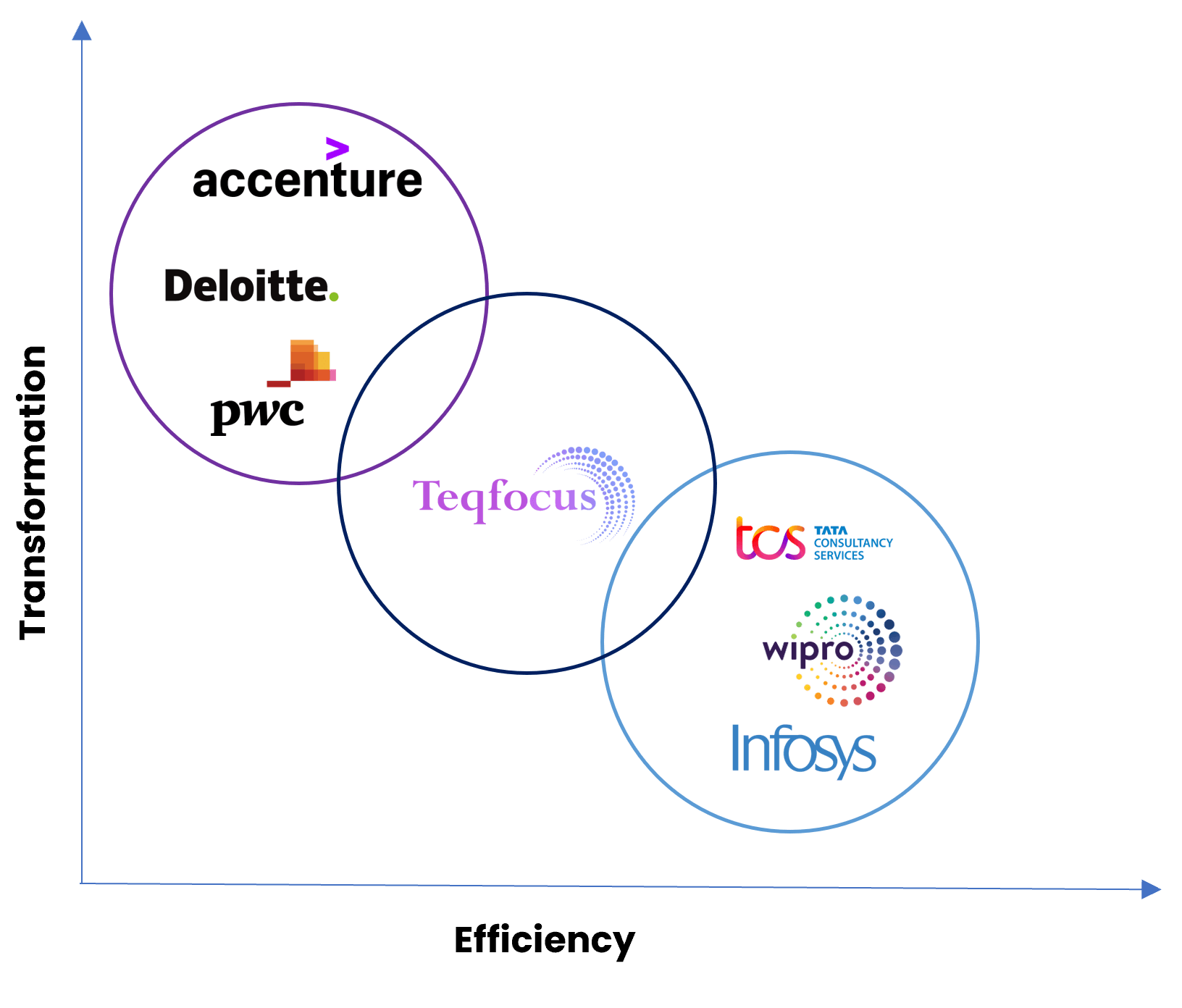
Market Positioning
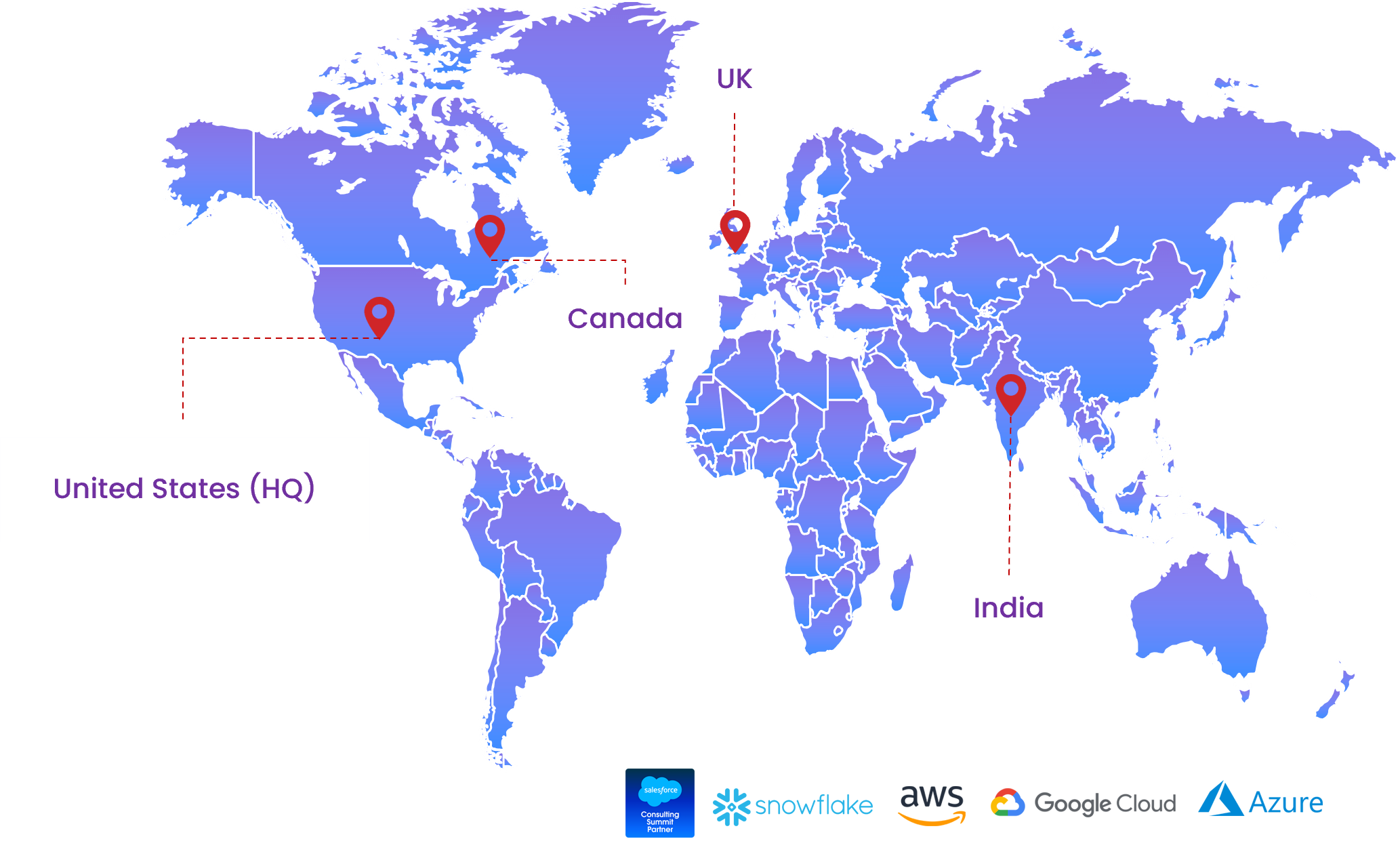
Global Presence
The commercial data gap in a telematics-mature organization
Geotab's absorption of Verizon Connect's EU and AU operations brought a second data model into the house — different fleet unit definitions, different subscription structures, different field mappings for what "active customer" means. Two mature fleet management platforms do not consolidate themselves. Until there is a unified semantic layer that speaks both models, your CTO and Chief Data Officer are managing two versions of the truth. That ambiguity is not just a data engineering problem — it surfaces in every commercial decision that depends on understanding the total installed base.
Channel partners — resellers and VARs — deliver a meaningful portion of Geotab's revenue, but partner performance analytics are fragmented. Which resellers are growing their books and which are quietly churning customers is a question that should have a live answer, not a quarterly spreadsheet. The intelligence to manage that channel proactively exists; it just hasn't been connected to the commercial decision layer yet.
Geotab's data team is analytically sophisticated — we are not here to explain fleet telematics. The gap is specifically on the revenue and commercial analytics side: partner performance, fleet expansion signals feeding CRM, and a unified post-acquisition customer record. That is where we focus, and it is what this page is about.
Signal 01
Verizon Connect EU/AU absorption introduced two data models and two fleet management platforms — integration complexity that affects every downstream commercial analytics layer until the semantic layer is unified.
Signal 02
Channel partner performance data is fragmented across systems. Which resellers are expanding their books, which markets are outpacing partner capacity — that intelligence belongs in a live dashboard, not a quarterly export.
Signal 03
Fleet expansion signals — new vehicles added, utilization increases, route density growth — exist in telematics data but are not surfacing in Salesforce as expansion triggers for the commercial team.
Three things worth doing — in this order
Unify the post-acquisition data models into a single commercial record
Two data models from the Verizon Connect absorption are two versions of the truth — different field mappings, different fleet unit definitions, different subscription structures for EU and AU versus North America.
Data Cloud creates the unified semantic layer where "active fleet customer" means the same thing regardless of which platform originated the record. This is not a data migration — it's a governed identity resolution layer that sits above both systems.
Revenue reporting, expansion tracking, and churn analysis all become consistent from day one of deployment.
Make channel partner performance a live commercial decision, not a reporting exercise
Channel partner analytics are a commercial decision layer, not a reporting function. Which resellers are expanding their books, which are churning customers, which markets are growing faster than partner capacity — that intelligence lives in spreadsheets today.
Data Cloud plus Tableau Next builds a live partner performance dashboard with weekly alerts: partners whose book is contracting, markets where demand is outpacing coverage, resellers showing early expansion signals that warrant co-investment.
The channel becomes manageable at scale in a way it cannot be from a quarterly export.
Surface fleet expansion signals as CRM triggers before the customer goes to market
A customer who added 200 vehicles last quarter is an expansion conversation waiting to happen. That signal exists in your telematics data right now — it's just not reaching the commercial team in time.
Data Cloud surfaces fleet expansion events as Salesforce tasks automatically, in real time — rather than as a line in a quarterly export that arrives three months after the window opened.
Your AEs and CS team close expansion before the customer evaluates alternatives. Geotab's telematics moat starts compounding on the commercial side too.
How we've done this before
A global fleet management technology company with a channel-heavy go-to-market had absorbed a regional competitor's operations, creating two customer data models in parallel. Channel partner performance was tracked in disconnected spreadsheets across regional sales teams. Fleet expansion events — customers adding vehicles, expanding routes — existed in operational data but were not reaching the commercial team as actionable signals. Expansion opportunities were being identified reactively, after customers had already gone to market.
We deployed Salesforce Data Cloud to create the unified semantic layer above both post-acquisition data models — resolving customer identity across platforms and standardizing the commercial record. Tableau Next dashboards gave the channel team live partner performance views with automated alerts. Data Cloud connected fleet operational signals to Salesforce, creating automated tasks for the commercial team when fleet expansion thresholds were crossed.
Channel partner performance moved from quarterly spreadsheet to live dashboard — the channel team gained visibility into partner book trends on a weekly basis. Fleet expansion signals began triggering Salesforce tasks automatically, shifting the commercial team from reactive to proactive on expansion conversations. Post-acquisition data models were unified into a single customer view that both the EU/AU and North American teams operated from consistently.
Technology Partners
Teqfocus brings Salesforce Summit, Snowflake Premier, AWS Advanced, and Databricks credentials — the right tool for the right layer, without single-vendor lock-in.
- Summit Consulting Partner
- 200+ Certified Experts
- Sales Cloud, Agentforce, Data Cloud
- Agentforce deployments for Hi-Tech enterprises

- Claude-powered agents in production across regulated industries
- 40+ enterprise Agentforce deployments grounded on Claude
- Teqfocus runs on Claude — we are our own first client

- Premier Services Partner
- 20+ SnowPro Certified
- 50+ customers
- Cortex Agents architecture, dbt governance, and data fabric design
- Certified Consulting Partner
- 20+ AI & data workloads
- MLOps pipelines
- AI governance frameworks and model monitoring

- Advanced Consulting Partner
- Data & Analytics Competency
- 150+ active engagements
- Cloud architecture for enterprise data platforms
Worth a 30-minute conversation?
If post-acquisition data unification, channel partner analytics, or fleet expansion signals feeding CRM are on your roadmap, the 30 minutes is worth it.