Teqfocus · East Bay CXO Series · Issue 2
East Bay CXO
Newsletter
April 2026 · Reimagining the Context Layer: Powering the Next Phase of Enterprise AI

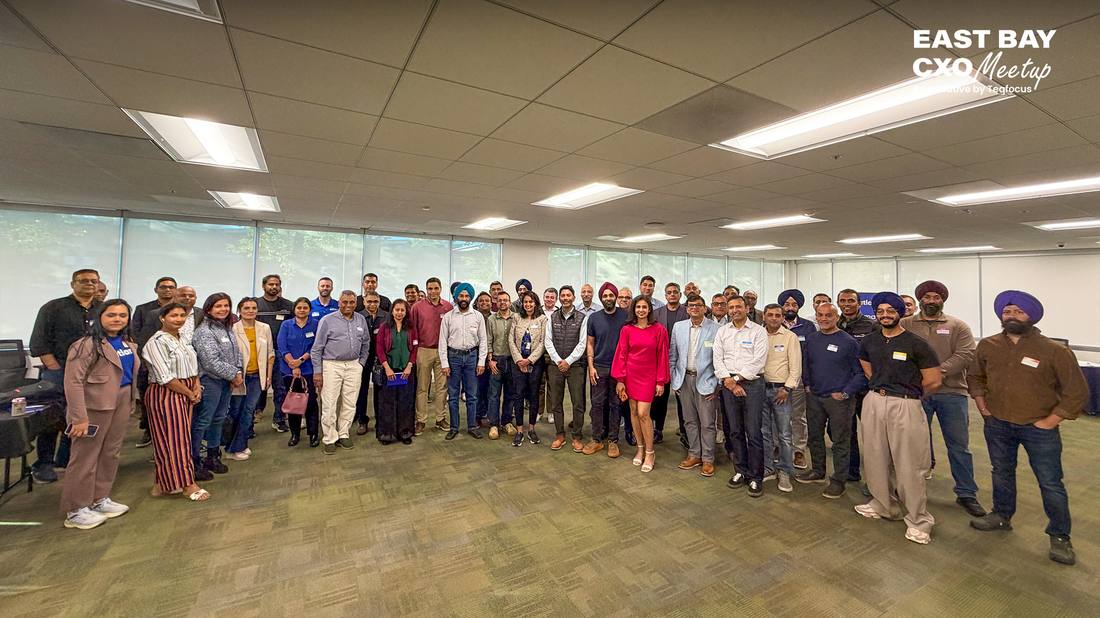
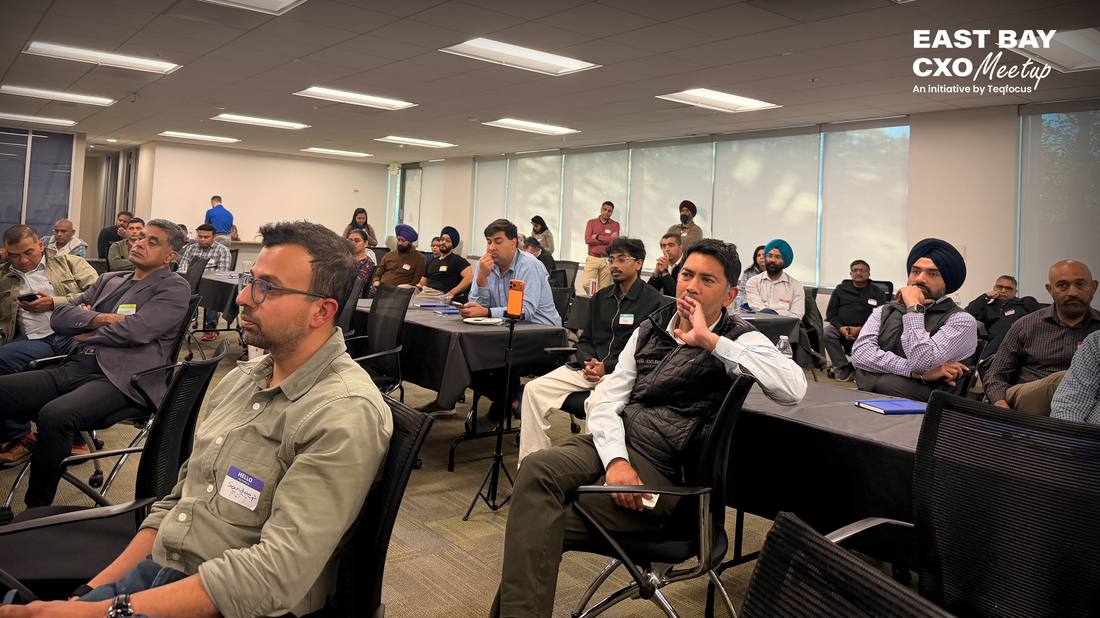
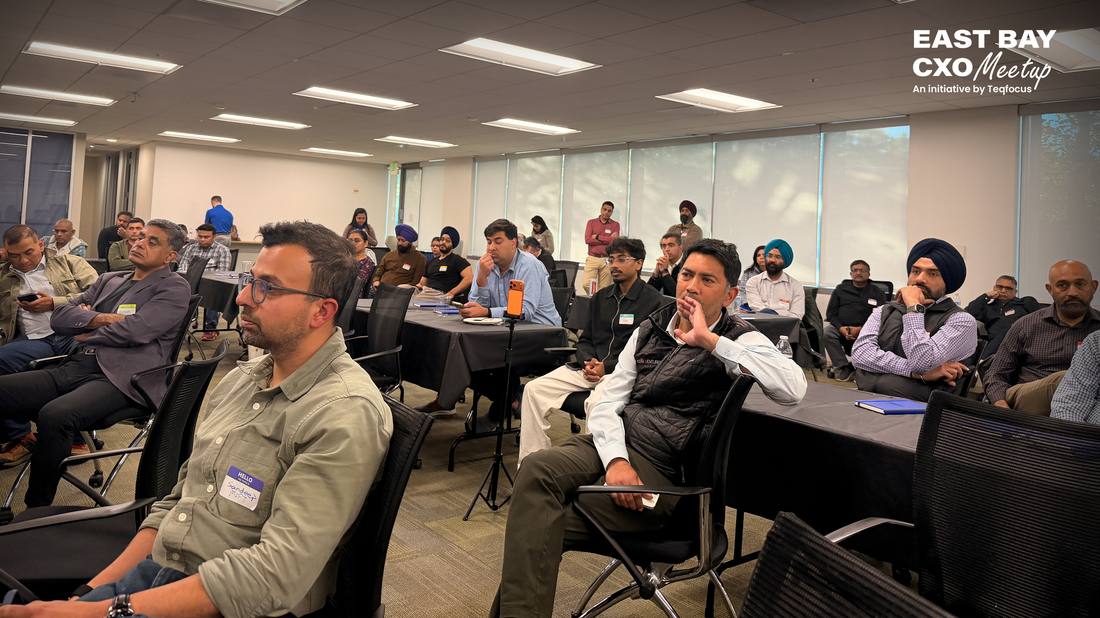
March gave us the diagnosis — AI is making decisions faster than organizations can govern them. April gave us the architecture of the answer. The conversation turned to context: what it is, why most organizations don’t have enough of it, and why the enterprises that invest in it now will compound that advantage for years. Forty-plus leaders in Pleasanton. One keynote that reframed the question entirely. And a panel that got honest about the gap between what the slides say and what the implementation actually looks like.
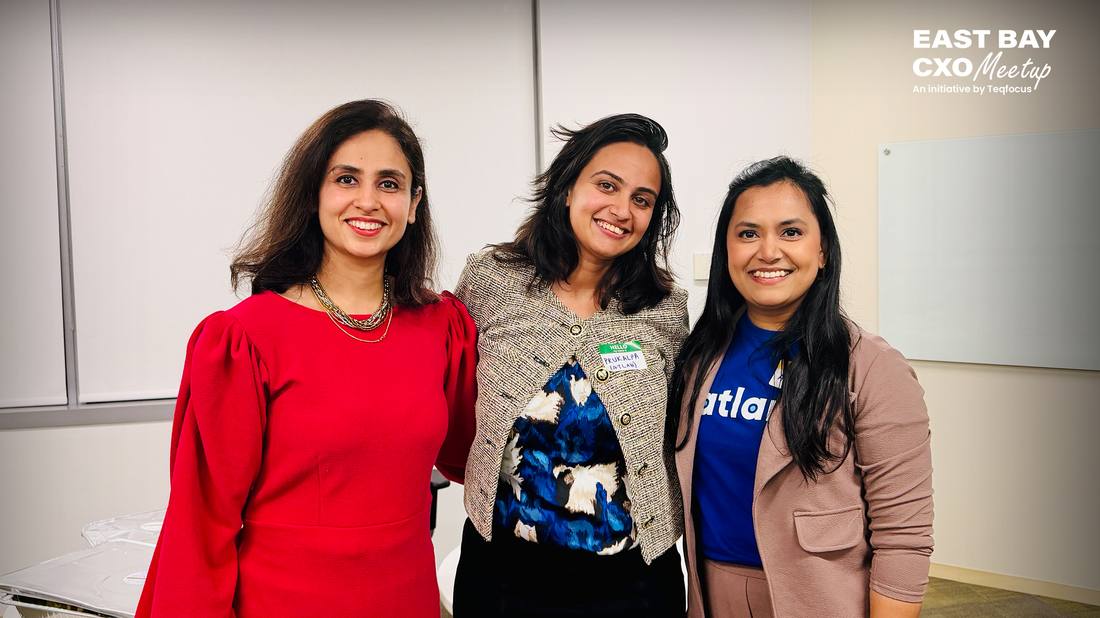
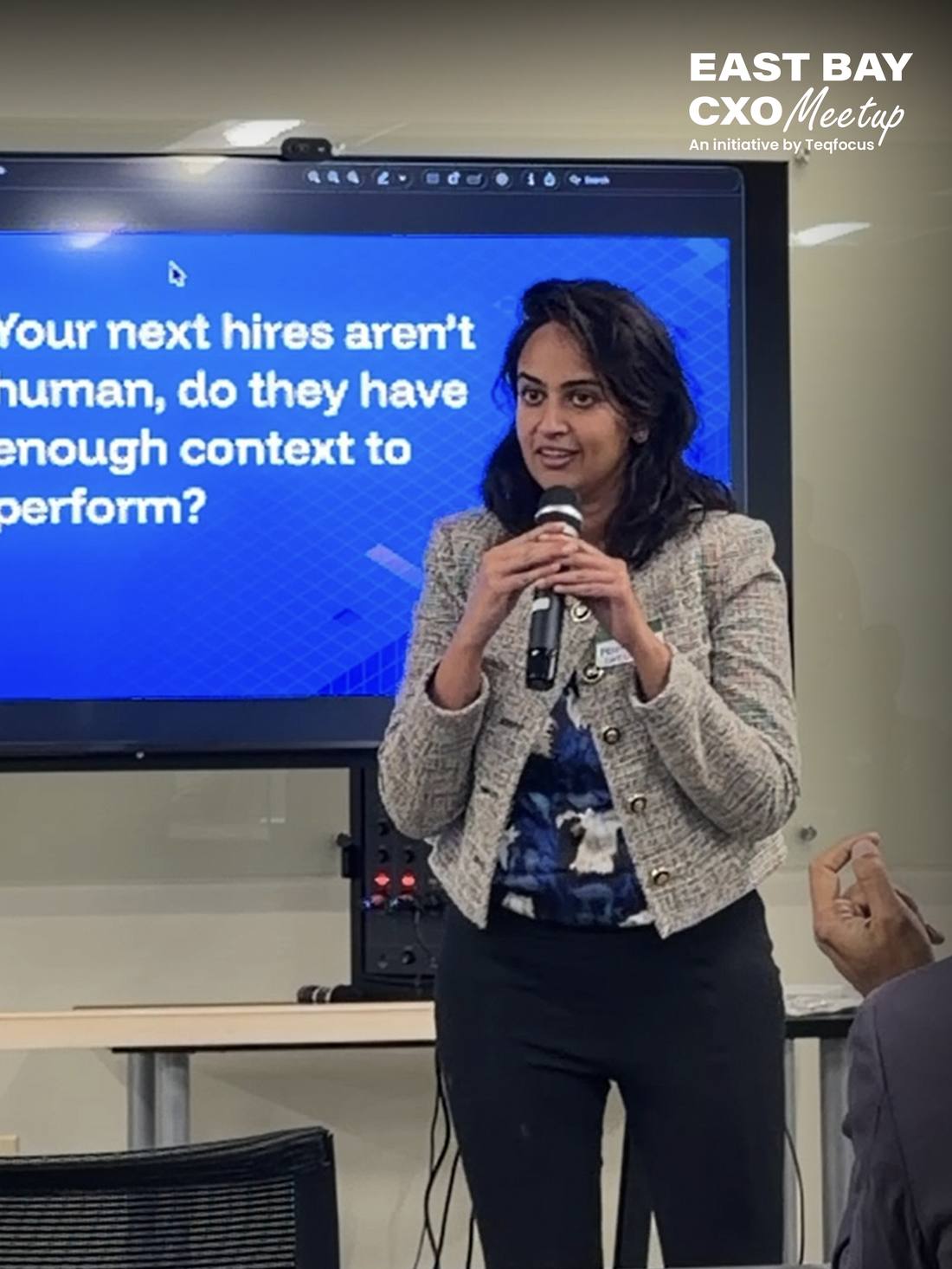
We’ve spent a decade making AI smarter. We forgot to make it knowledgeable about us. Prukalpa put a name to the gap — your business logic, your institutional memory, your customer context is still locked in Slack threads and departing analysts. Intelligence without context isn’t just less useful. It’s dangerous at scale.
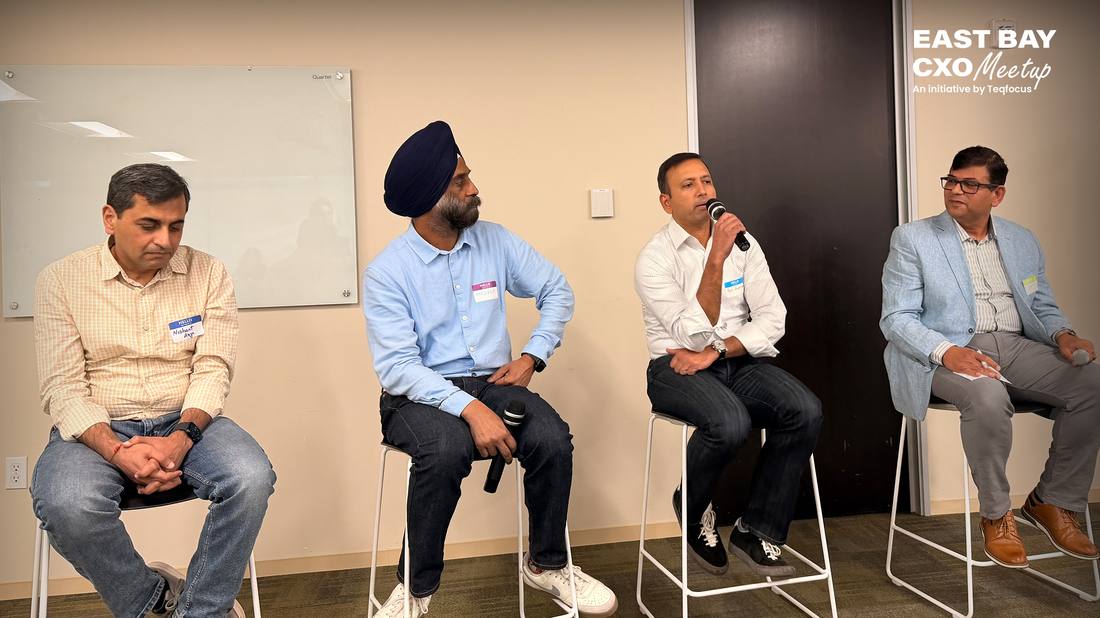
The panel made it honest. Four practitioners. Four industries, the same wall. The path forward isn’t a product — it’s an architecture decision you make deliberately, or one that gets made for you.
Your next hires aren’t human. Do they have enough context to perform?
Intelligence has compounded roughly a thousand times in the last decade. Context — the situated knowledge of how your business actually operates — has barely moved. The enterprises winning with AI aren’t the ones with the best models. They’re the ones that have made their institutional knowledge legible to those models. That is the work. And most organizations haven’t started it.
— Prukalpa Sankar, Founder & Co-CEO, Atlan · Keynote, April 30, 2026
The Performance Formula That Changes Everything
Intelligence has compounded ~1000x in the last decade. Model benchmarks that stood at 9% in 2023 hit 97% by 2025. And yet 56% of CEOs report zero financial benefit from AI. The formula explains why.
Context — the situated knowledge of how your business actually operates — has barely moved. That’s the gap. A powerful model with no context about your business is the most dangerous AI outcome: confident, fast, and wrong.
The Context Matrix
AI grounded in deep institutional knowledge, acting with speed and accuracy.
Confident hallucination at scale. Powerful and entirely unaware of your business.
Well-tuned rule systems. Predictable, not capable of compound value creation.
Dashboards. Accurate data connected to nothing, acted on by no one.
“Context is king. Context is your IP.”
— Prukalpa Sankar, Founder & Co-CEO, AtlanModerated by Pranav S · Vice President Information Technology, Mozilla
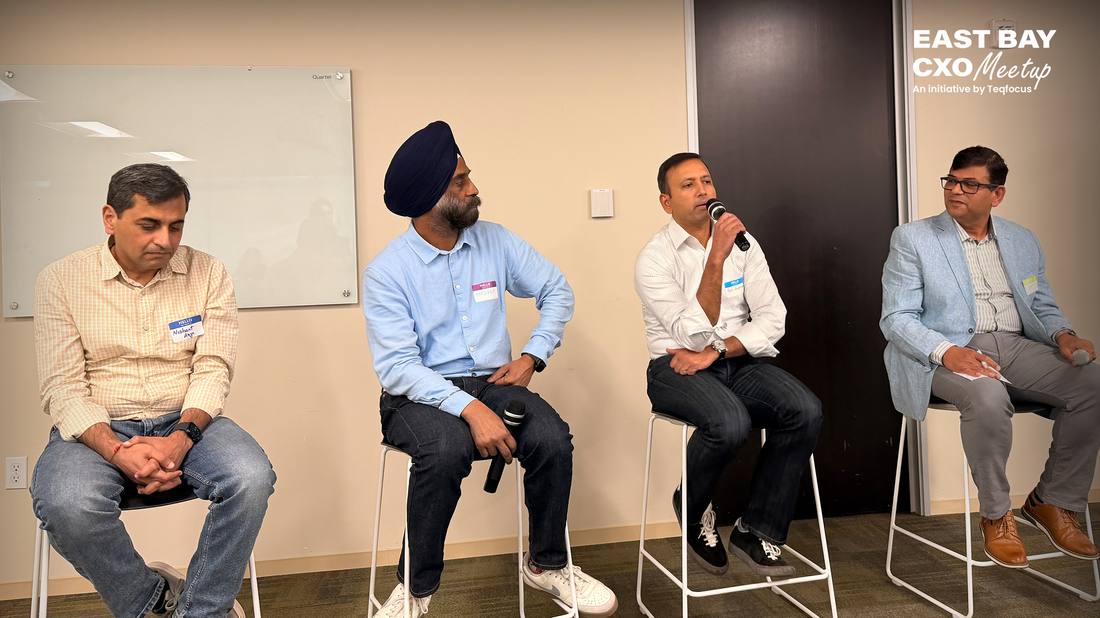
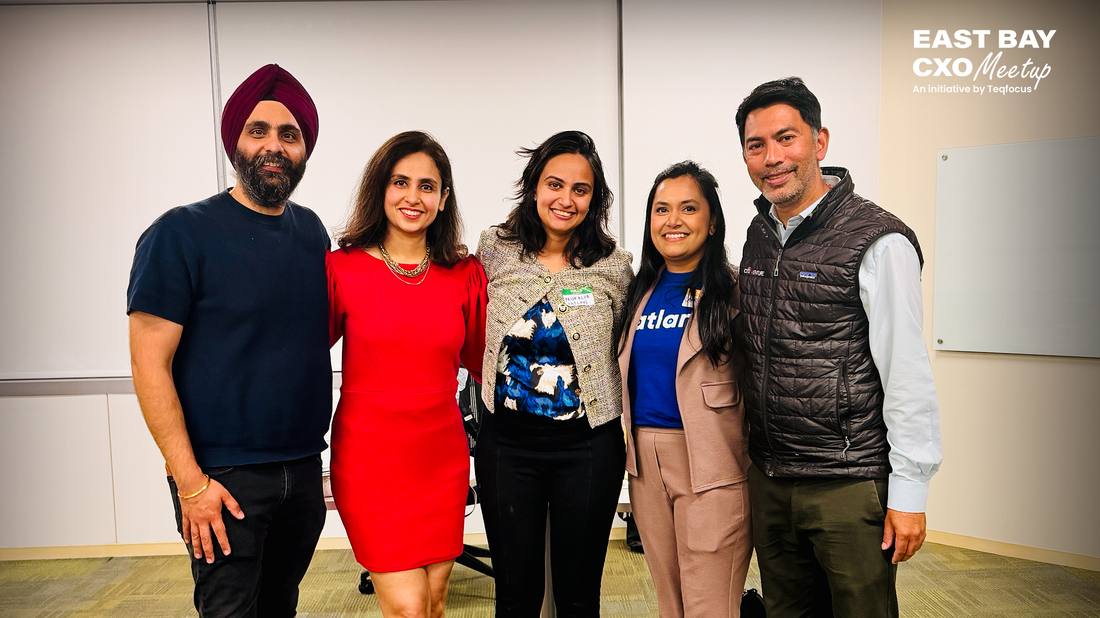
These were practitioners who have tried to build context layers in the field — across MedTech, semiconductor design, construction technology, and enterprise payments. The honest consensus: context is harder than anyone admits, it is not a one-time build, and the most important ingredient is always human.
Larger context windows do not equal better context
In MedTech, 200-page regulatory PDFs with nested footnotes overwhelmed models until a distillation layer was built upstream. More context is not the answer — the right context, structured the right way, is.
Company-specific terminology cannot be bought off the shelf
ACB means Annual Construction Volume in one org. Generic ontologies fail immediately. The only path is sitting with the people doing the work and learning what the data actually means from them — not from the data itself.
Trust matters more than accuracy
An agent can be technically correct and completely ignored. The metric is adoption. Adoption comes from trust. And trust is earned through iteration with real users — starting with 20 sellers, not a rollout of 2,000.
You need to know why the agent did what it did
Most implementations tell you what the agent did. The harder architectural problem is understanding the reasoning behind each step so you can improve or override it. Observability is not optional — it is how trust gets built.
“It’s not accuracy, it’s the trust. Are your AEs trusting your data? If the trust is there, then you can start building on it.”
Hardeep Singh · Sr. Director Enterprise System & AI, Procore Technologies“Larger context is not necessarily good context. We had 200-page regulatory PDFs. The model just got crazy. We had to build a distillation layer first.”
Nishant Arya · Director of Engineering, Stryker“Context is a living document. It’s not just once done and that’s it. The churn value of an account should automatically update. The agent has to adopt that continuously.”
Pari Ambatkar · Head of Enterprise AI and Platforms, Marvell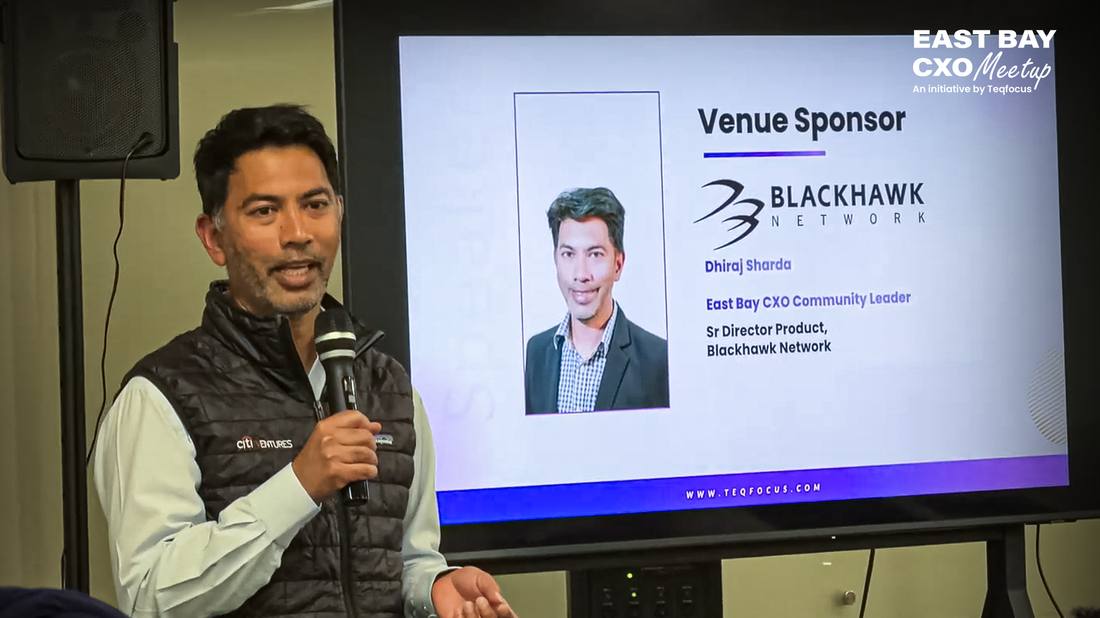
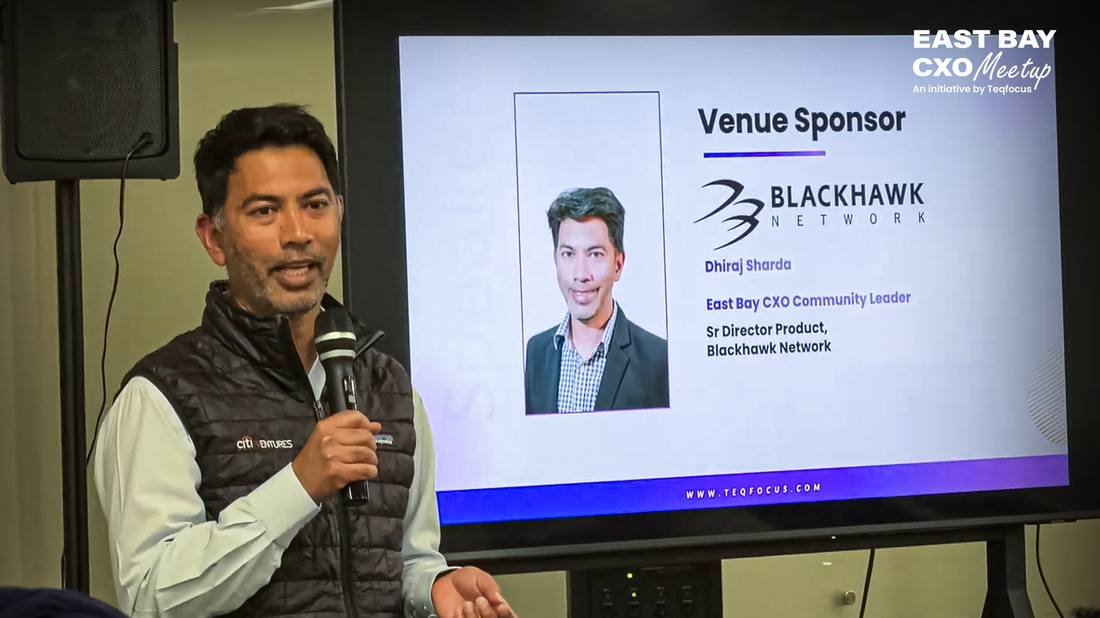
Dhiraj Sharda opened the evening and hosted the community at his Pleasanton campus — one of the East Bay’s leading technology hubs. His generosity in bringing the community together, and his role as a consistent East Bay CXO community leader, made the April gathering possible.
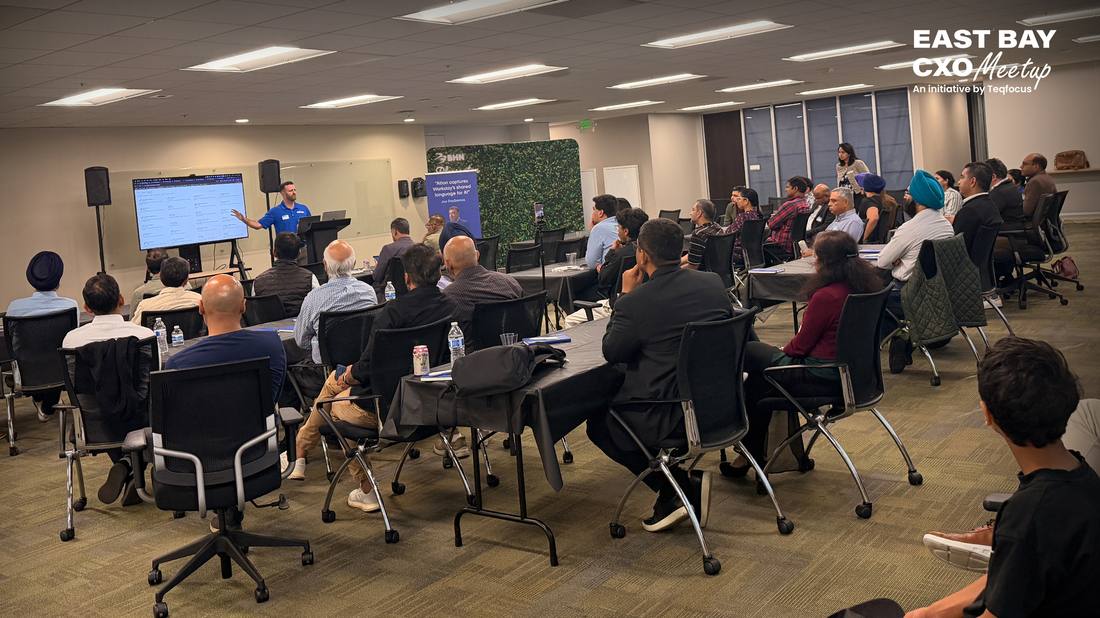
Keynote Context · Presented by the Atlan Team
Atlan — The Context Layer for Enterprise AI
Enterprises representing $10T+ in market cap trust Atlan with their context.
Atlan customers
Atlan’s thesis is built directly on the performance formula introduced at the gathering: P = f(I, C). Intelligence is commoditizing. Context — the situated knowledge of how your business operates — is the durable competitive advantage. Atlan builds the infrastructure to make that context legible to AI: enterprise data graphs, semantic layers, governance, and feedback loops that improve over time.
Their customer base includes enterprises across financial services, healthcare, technology, and media — organizations where the cost of a contextless AI decision is measured in compliance failures, not just bad recommendations.
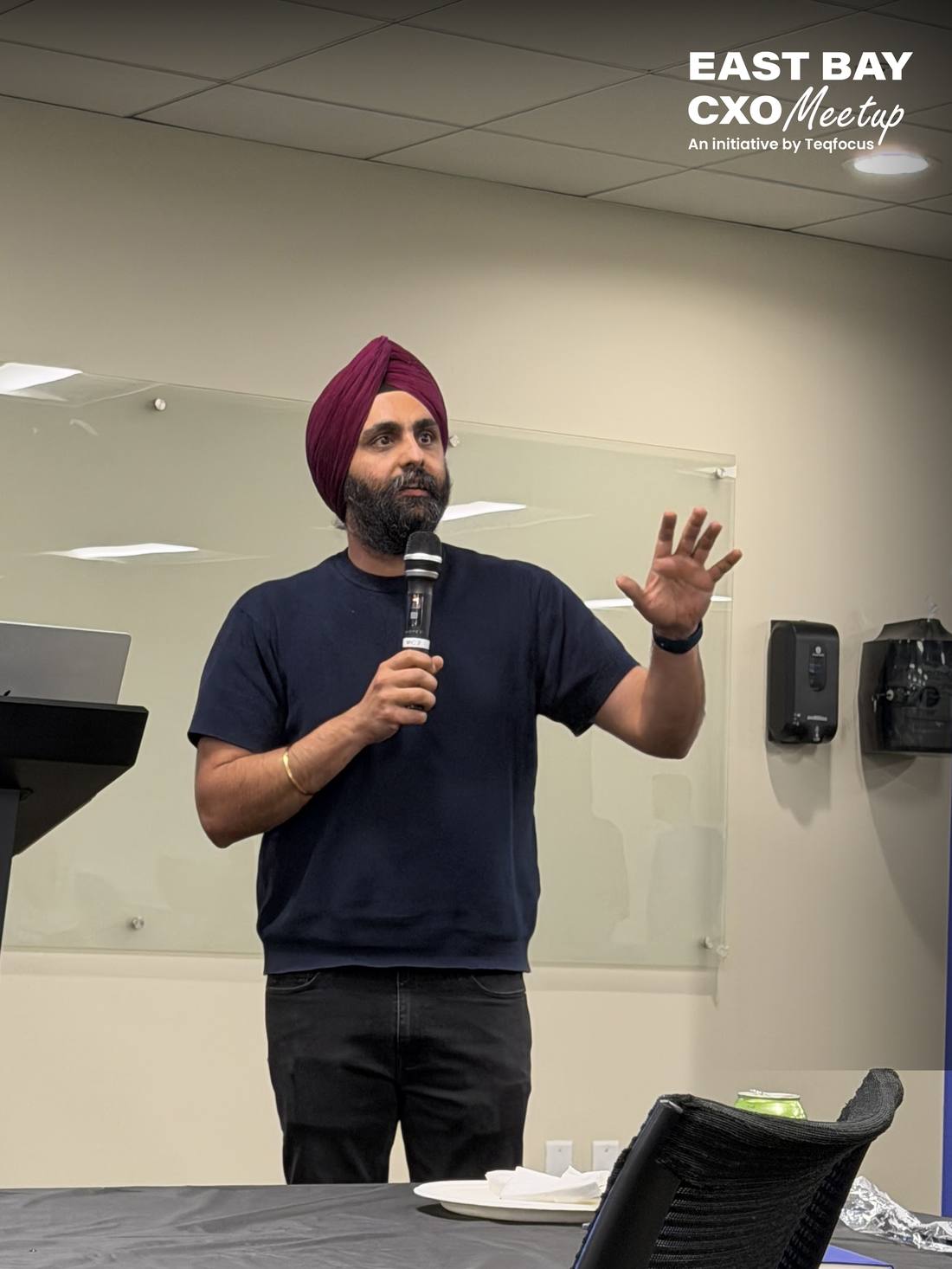
Andy Singh
Founder & CEO, TeqfocusEvery organization we work with is sitting on years of accumulated knowledge — how deals get done, how customers behave, how exceptions get handled — and none of it is legible to the AI they’re deploying. The gap isn’t intelligence. The gap is that we haven’t done the work of teaching these systems what we actually know. That’s the decision in front of every CIO right now: make it deliberately, or let it happen by accident.
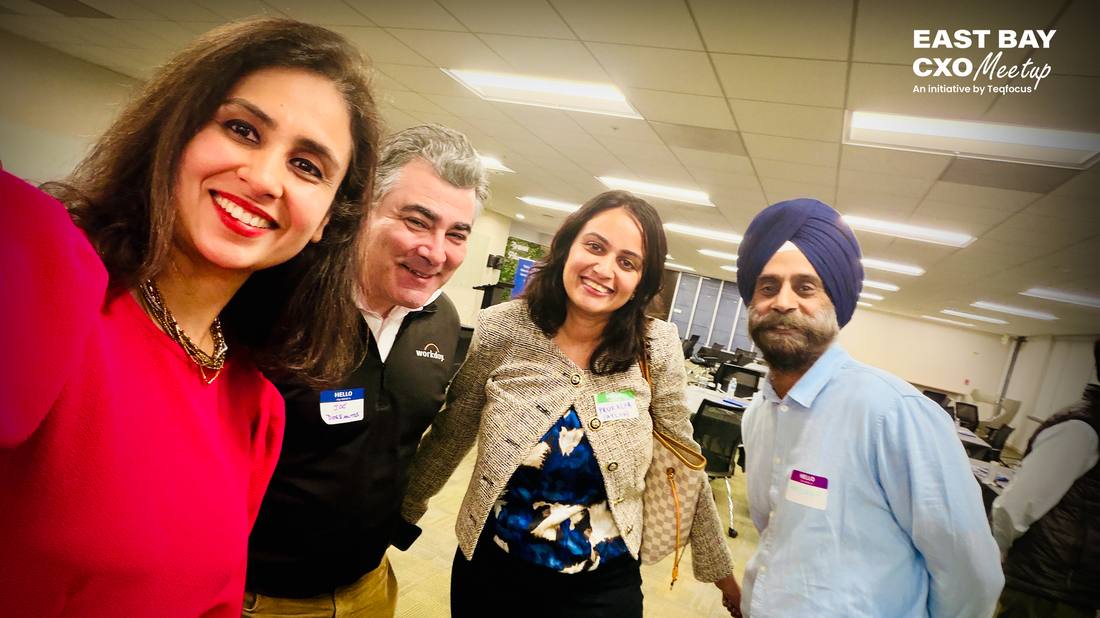
Forty-plus leaders. One room. No slides.