
The Governance Layer
Just Shipped.
Three Times Over.
Snowflake, Anthropic, and Jamf each turned agentic AI governance from a roadmap promise into a shipped, generally available capability in the same 15 days — plus what that meant for the trust conversation at our East Bay CXO Meetup, and this fortnight's TeqTalk on medicine's digital twins.
Snowflake Shipped the Missing Piece:
Governed Identity for Agents.
On July 1, Snowflake made workload identity federation generally available — giving Snowflake-hosted workloads a way to authenticate to external services without static credentials sitting in code or config. Put simply: it's the first time an agent running inside Snowflake can prove who it is to a system outside Snowflake, without a person embedding a password to make that happen. It's a quiet feature name for what is actually the governance layer agents need before they can be trusted to touch systems outside their home platform.
The pattern shows up everywhere we work, not just inside Snowflake's own customer base. A SaaS platform giving an agent access to a partner's billing API, a HiTech company connecting an agent to a customer's ticketing system, a Life Sciences or Healthcare organization letting an agent query a partner's system of record, an insurance carrier letting an agent touch a reinsurer's data — all of it runs into the same wall without a governed identity layer underneath it.
"For a full-stack delivery partner, this is the surface area that matters most: standing up the identity, access, and monitoring layer around a platform capability the moment it ships — not waiting for the platform vendor to build the last mile."
Over the past two weeks, three separate platforms turned agentic AI governance from a roadmap promise into a shipped, generally available capability. Snowflake gave agents governed machine identity. Anthropic gave Claude Enterprise admins spend and entitlement controls. Jamf gave IT teams policy enforcement for AI on the endpoint. That's the maturation signal worth paying attention to this fortnight — the ecosystem we build on is closing the governance gap in production, exactly where full-stack delivery adds the most value.
Federation
The first Snowflake feature purpose-built for agent-to-external-service authentication without static, hard-coded credentials — the governance layer any cross-system agent needs before it can be trusted to act. This is the surface area that matters most for delivery partners: standing up identity, access, and monitoring the moment a platform capability ships.
Agentic Commerce – Payments:
A Snapshot of the Trust Question, From a Different Vertical
Not our core industry focus, but the question the room kept returning to — can enterprises actually trust an AI agent's decision? — is the same one shaping every deployment we see in SaaS, HiTech, Healthcare, and Insurance. Hosting the June East Bay CXO Meetup meant bringing technology and business leaders together around one of the fastest-moving shifts in commerce.
"The future is closer than we think. But success won't come from building the smartest AI agents. It will come from building the most trusted ones — agents that operate with clear governance, authorization, compliance, and accountability. The future of commerce isn't just autonomous buying. It's trusted AI executing real business workflows."
Special thanks to Dhiraj Sharda for leading the panel, and to Vinod Nair and the full East Bay CXO community for another evening that raised more good questions than it answered.
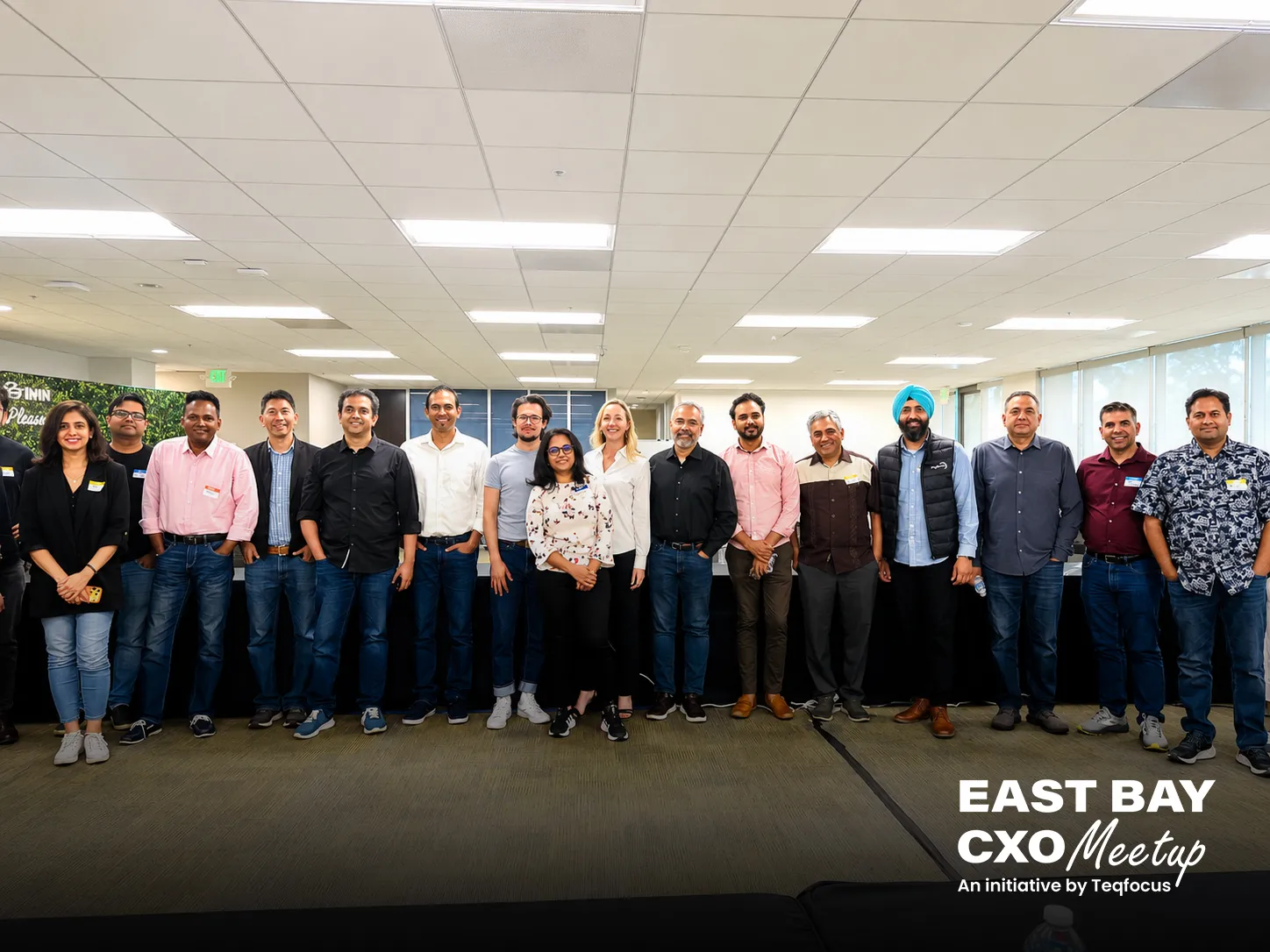
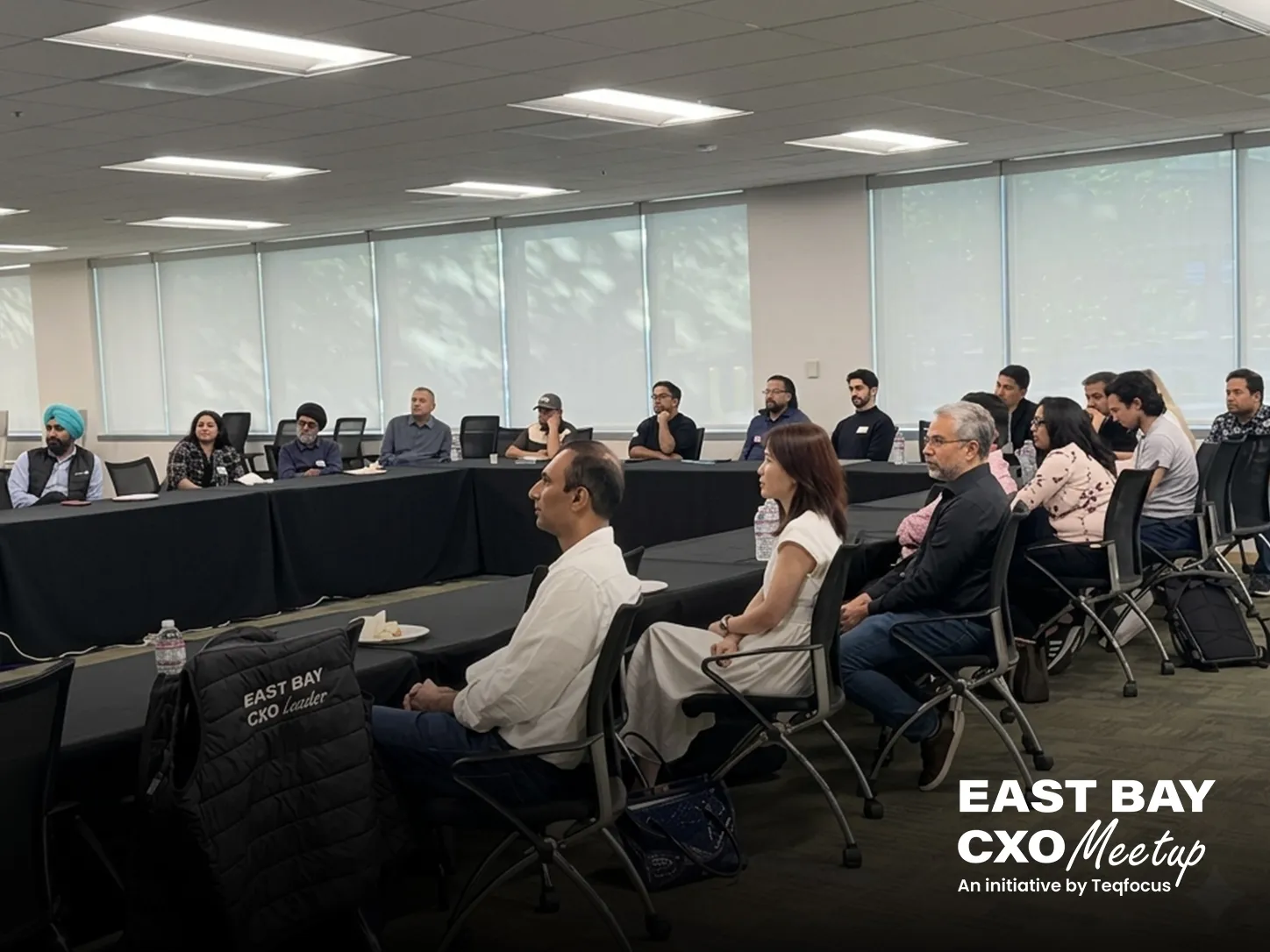
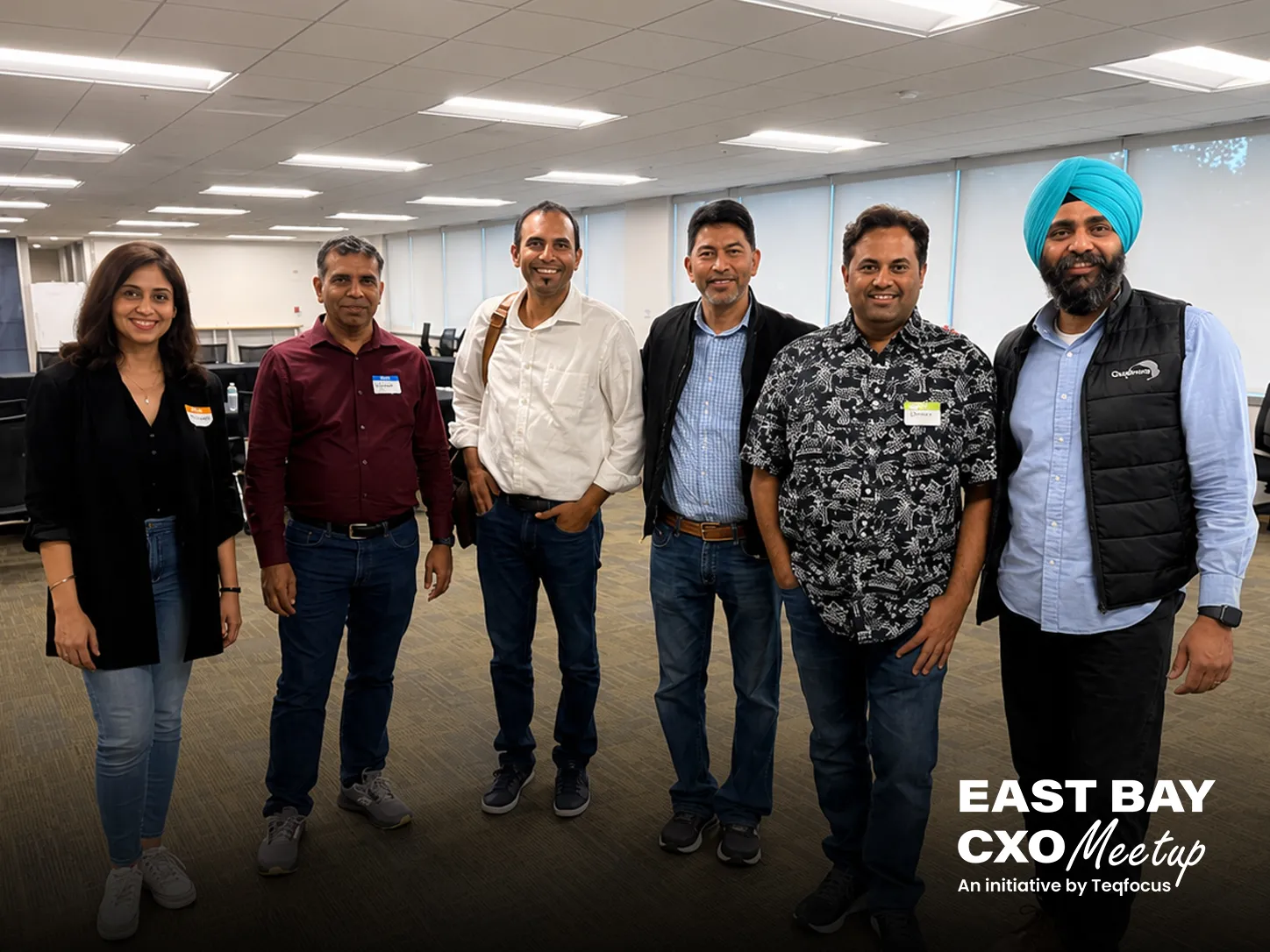
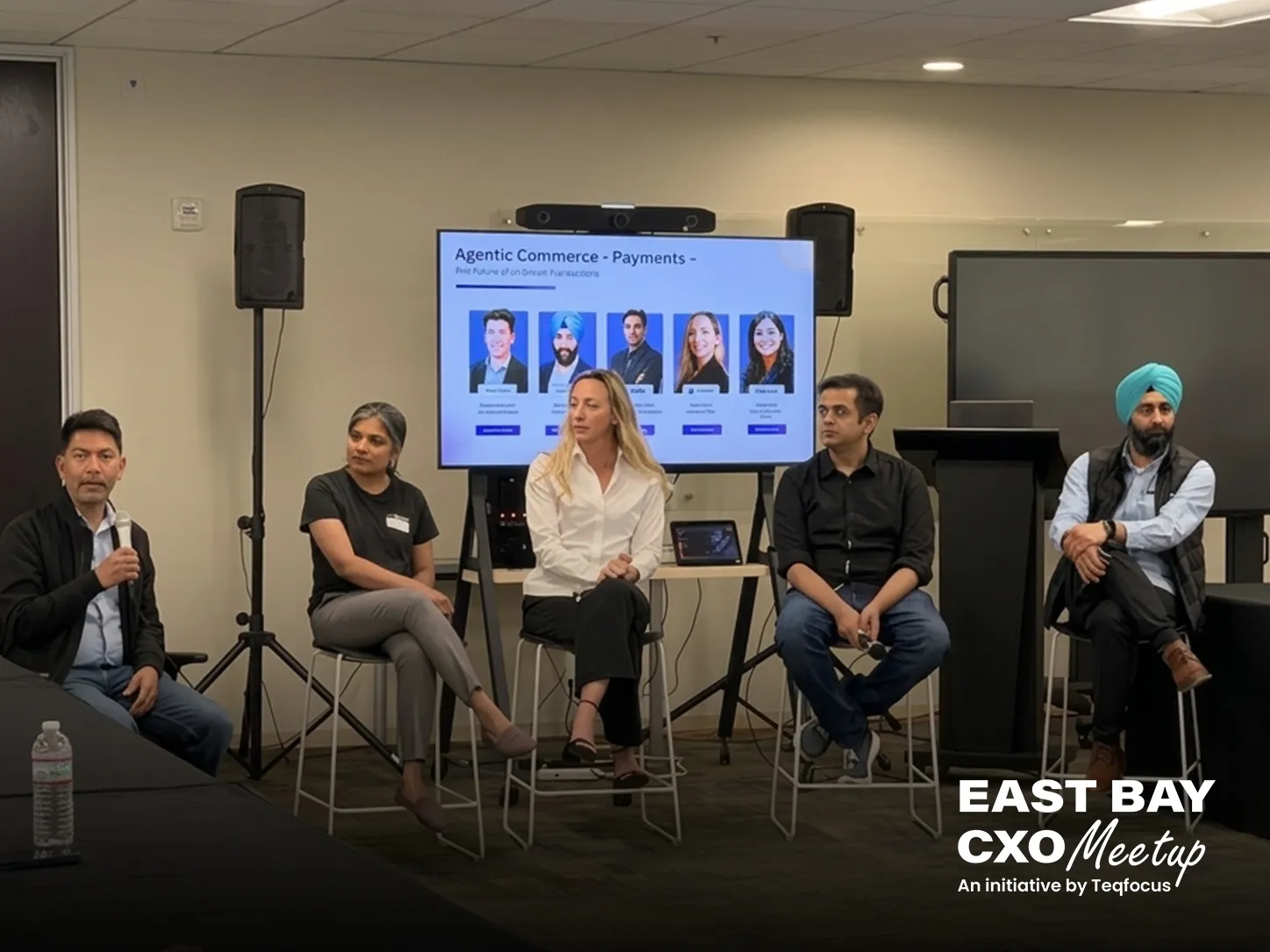
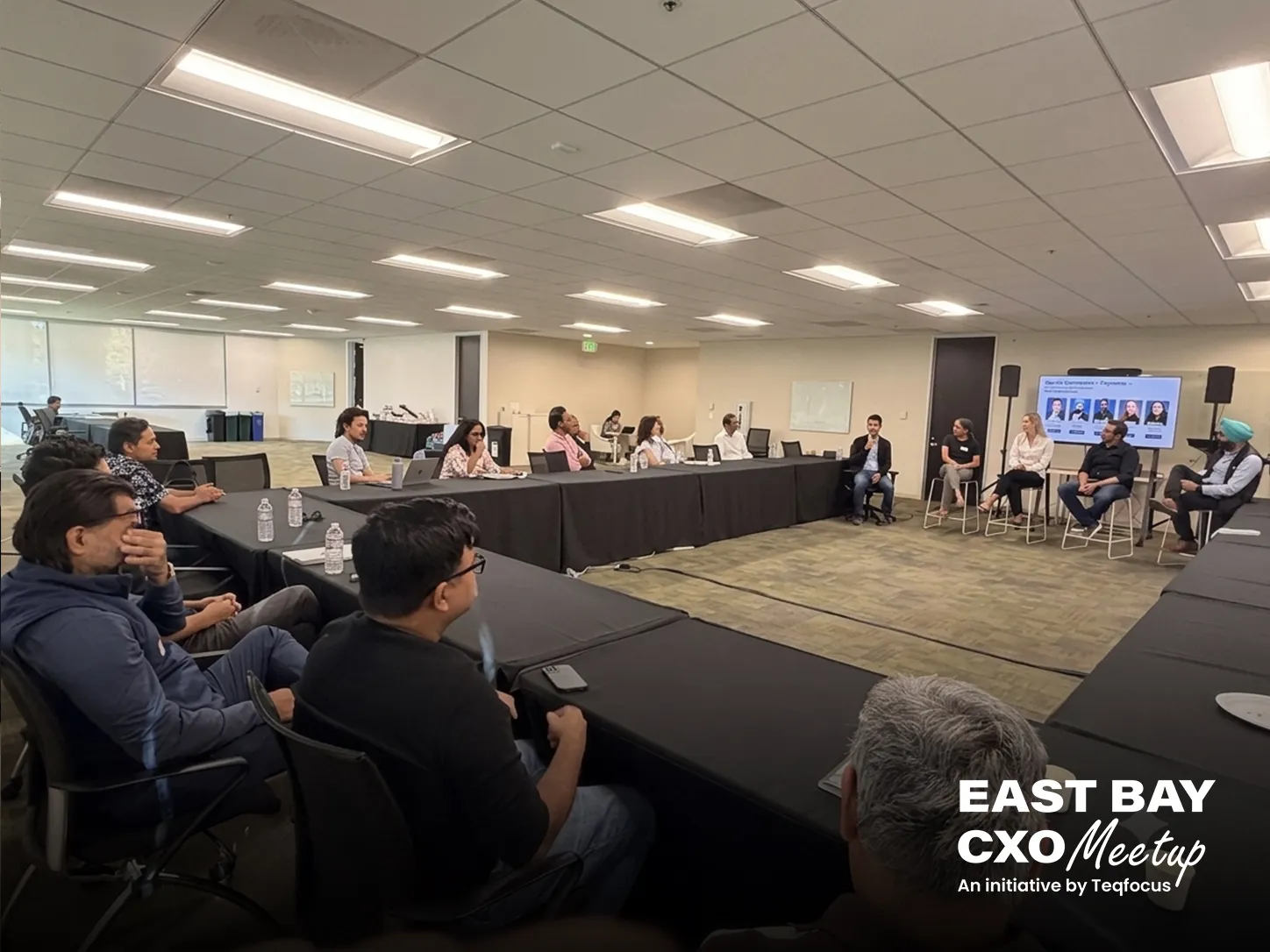
Teqfocus CXO Event · East Bay, CA · June 2026
Two Governance Releases, One Beta Launch.
Endpoint to Enterprise, the Same Fortnight.
Governance shipped everywhere this fortnight — not just inside the data warehouse. Jamf moved policy enforcement to the endpoint, and Anthropic opened a new front for AI in scientific research.
Paired with Snowflake's identity work and Anthropic's spend controls, it closes out the same 15-day window with governance addressed at three different layers of the stack: data, model, and endpoint.
Also this fortnight: Claude Enterprise added spend alerts and model-level entitlements, with Sonnet 5 now GA across every plan — the admin-control layer regulated buyers have been asking for.
Snowflake made workload identity federation generally available July 1. Anthropic added spend alerts and model-level entitlements to Claude Enterprise. Jamf shipped AI governance for Mac fleets, also July 1. Three different companies solving three different pieces of the same problem, in the same two weeks, is a category forming — not a coincidence.
A version of this exact question came up at our own East Bay CXO Meetup this month — the honest answer in the room was that capability was never really in doubt. Whether the agent could prove who it was, what it was authorized to do, and why it made a given decision, was the actual sticking point. That pattern holds across every production review we've seen this quarter, regardless of industry.
Line-of-business leaders are increasingly driving agentic AI purchases alongside IT, which means governance tooling has to satisfy a business owner's risk tolerance, not just pass an IT security review. That is a different bar, and most governance roadmaps were written for the old one.
This fortnight's TeqTalk covers a digital twin that reversed diabetes for 71% of trial patients. The episode's closing question — who has access to a health prediction, and who is accountable if the model is wrong — is the governance and accountability question every platform release this fortnight is also answering, just in a different vertical.
Two cases, one pattern. At Boston Children's Hospital, surgical teams stopped relying on flat CT and MRI images for the most complex pediatric heart defects and started building patient-specific 3D digital models instead — testing repair strategies inside the model before making the first incision. For the arterial switch procedure, one of the hardest repairs in pediatric cardiac surgery, the hospital reported 60 cases with 100% survival, attributed directly to digital-twin-informed surgical planning.
Twin Health built a whole-body digital twin for type 2 diabetes — roughly 3,000 data points a day across 174 health markers feeding a real-time model of one person's specific metabolism. In a 150-person randomized controlled trial published in NEJM Catalyst (2025), 71% of patients using the digital twin reached an HbA1c below 6.5 — the clinical definition of diabetes reversal — versus 2.4% on standard care.
Have You Run an AI Deployment
Worth Talking About?
This issue covered governed identity, spend controls, and a digital twin that reversed diabetes in a randomized trial. The next TeqTalk conversation could be yours — practitioners who have taken agents to production, built the governance layer that made it possible, or sat on the compliance side of that conversation. CIOs, CDOs, enterprise architects. No vendor pitches. No vision decks.
Apply to Be a Guest →