

The voice of AI, Data and Innovation




About the Guest
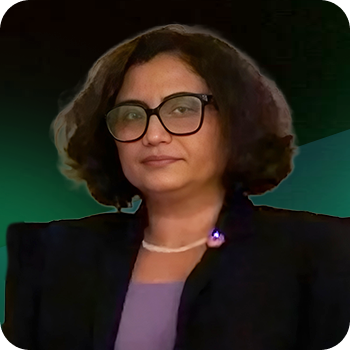
Mallika Madakasira
Mallika Madakasira is a healthcare transformation leader and Director of Population Health at MCHC Health Centers, with 15+ years of experience across population health, digital health, analytics, AI, and whole-person care. At MCHC, she leads initiatives spanning Community Health, Analytics, Clinical Applications, and Quality, while advancing practical technology adoption, data-driven decision-making, and programs designed to improve access and community outcomes
Brief About the Episode
Healthcare transformation does not stop at the hospital or the exam room.
FQHCs, operate as a critical healthcare safety net, serving patients regardless of insurance status while navigating growing demand, workforce shortages, regulatory pressure, and limited resources. In this conversation, Jas Kaur speaks with Mallika Madakasira about what the broader healthcare system can learn from that model.
The episode explores why improving health requires looking beyond clinical treatment to structural barriers such as food, housing, transportation, and community support. Mallika also shares how MCHC is bringing whole-person care into practice through community health workers, local partnerships, better data infrastructure, workflow visibility, and technologies such as ambient scribe tools.
Key Learnings for Leaders
✦
Technology must
solve a real
operational problem
Healthcare technology is not about experimentation for its own sake. MCHC introduced ambient scribe technology to reduce documentation burden and give clinicians more time with patients, scaling the capability gradually through small pilots and careful adoption.
✦
Leadership in constrained environments requires focus and creativity.
FQHCs often operate with limited budgets and resources. Mallika’s experience shows why successful transformation depends on prioritization, cross-functional collaboration, curiosity, and the ability to build momentum without waiting for perfect conditions.
✦
FQHCs offer a
different model of
healthcare access
MCHC operates as part of the healthcare safety net, keeping its doors open regardless of insurance status and using sliding-scale fees for uninsured patients. The model shows how access and affordability can remain central even under significant resource constraints
See how FQHCs are expanding access through whole-person care, community support, and practical technology.
Join our mailing list
Be the first to know when new episodes drop.
Subscribe to get fresh drops, exclusive guest insights, and key takeaways in your inbox.