
The Data Layer Is Not
a Pre-Requisite.
It Is the AI Strategy.
Salesforce Summer '26, Snowflake Summit, and Anthropic's enterprise Claude integrations all landed the same week — and they all assume the same thing most enterprises don't have yet.
Every Major AI Platform Now Assumes a Governed Data Foundation.
Here Is What That Work Actually Involves.
The Summer '26 Agentforce blueprint, Snowflake's Claude in Cortex AI, and Anthropic's enterprise agent architecture all describe the same starting point: an enterprise data environment that is governed, semantically rich, and structured for AI consumption. That framing makes it sound like a configuration step. It is not.
In practice, most enterprise data environments were built for reporting and operational queries — not for AI agents that need to traverse entities, infer relationships, and make decisions under uncertainty. Salesforce CRM data that hasn't been deduplicated in three years. A Snowflake warehouse migrated from a legacy EDW with the original schema intact. ERP data with four competing definitions of "customer" across business units. None of this is a failure of the IT team. It is the natural state of enterprise data that was never asked to support autonomous inference.
"The 6–9 month figure is not an estimate. It reflects what the actual work takes: data profiling, identity resolution, semantic layer definition, data contracts, and governance controls that satisfy security before a single agent goes to production."
Organizations that have completed this work did not do it for AI. They did it for a reporting initiative, a CRM migration, or a regulatory audit. The foundation was already there when the AI platform was ready. This is the most consequential split in enterprise AI right now — not which platform a company chose, but whether their data was ready when the platform was.
The organizations already in production share one characteristic — they started data modernization 12–18 months before their AI initiative, for reasons that had nothing to do with AI. That lead time is now their competitive position. Starting data readiness work in Q3 2026 produces a materially different outcome than starting in Q1 2027. That gap widens with each cycle.
The Agentic Workflow: How Enterprises Are Adopting It Today —
and What's Coming Next
When Teqfocus convened senior technology and operations leaders in Toronto, the first question was a show of hands: who has an agentic workflow actually running in production — not a pilot, not a proof of concept. The response told the story of where enterprise AI actually sits in mid-2026.
"The organizations furthest ahead did not start with AI. They started with data governance, compliance infrastructure, or operational cleanup — for reasons that had nothing to do with AI. That prior investment is now the only thing separating pilots from production."
Fireside conversations featured technology leaders from TD, Martinrea, Roche Canada, CPHIN / University of Waterloo, and enterprise operations — covering production deployment, security architecture, and the gap between what AI promises and what it delivers.
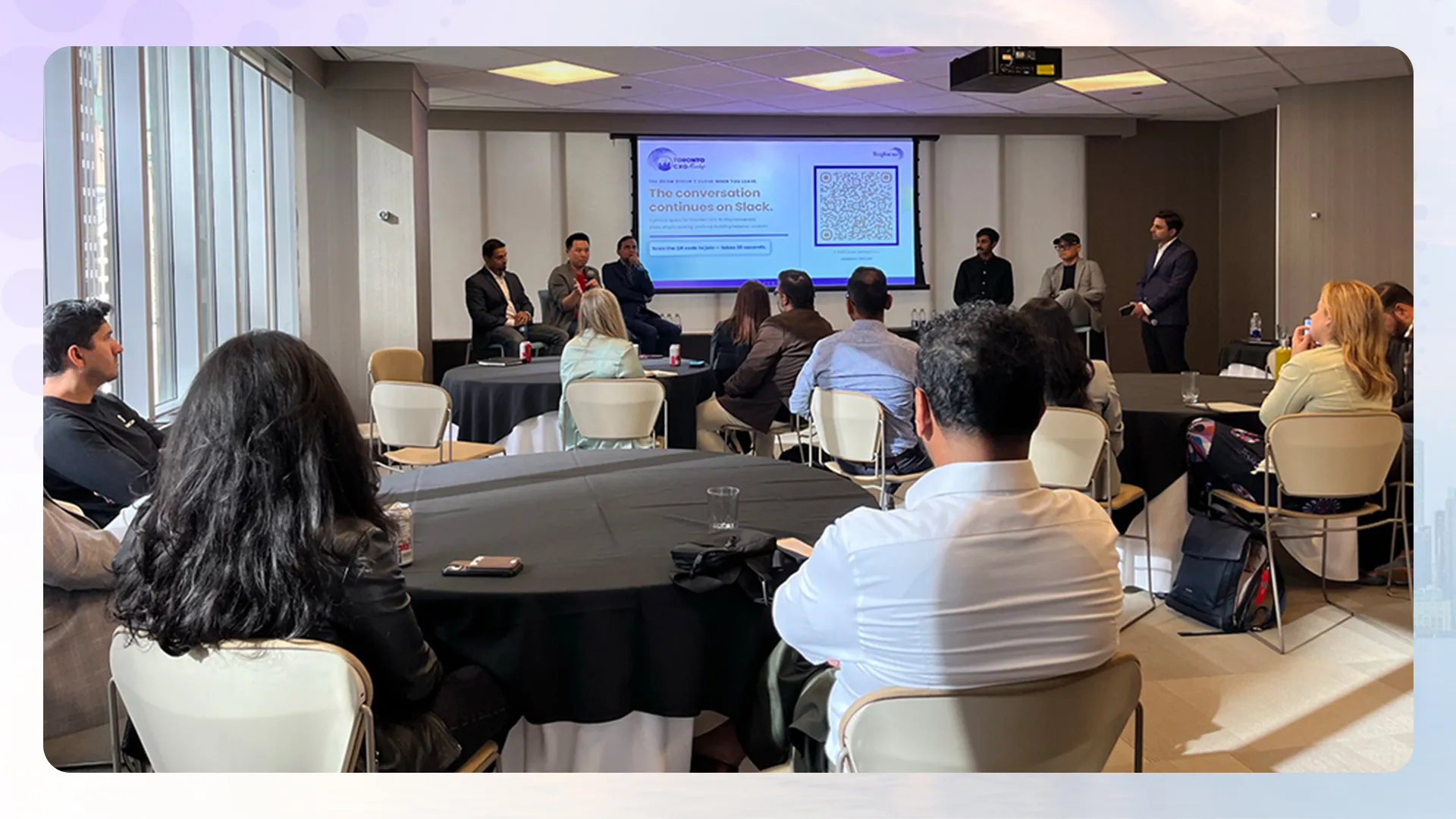
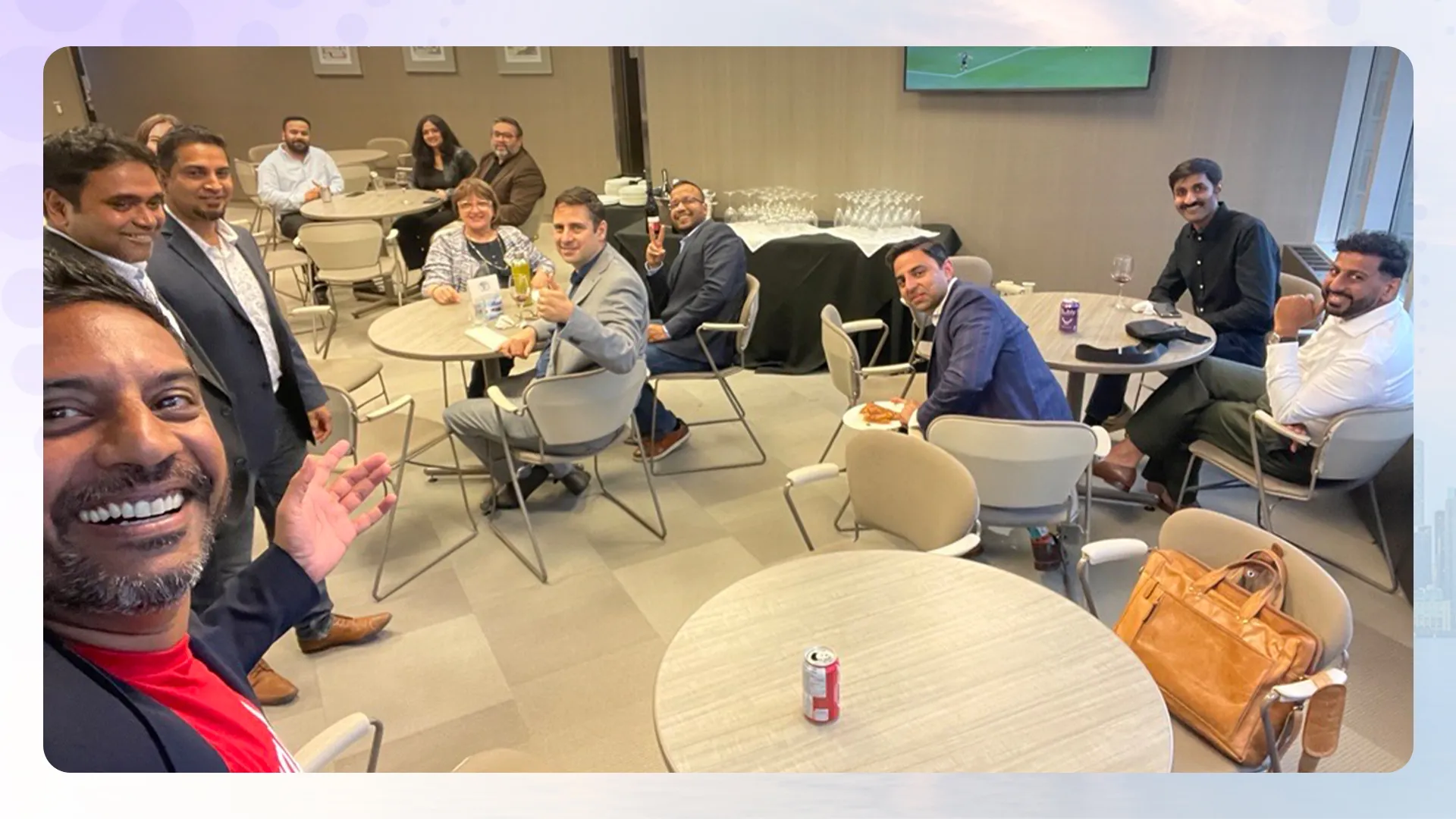
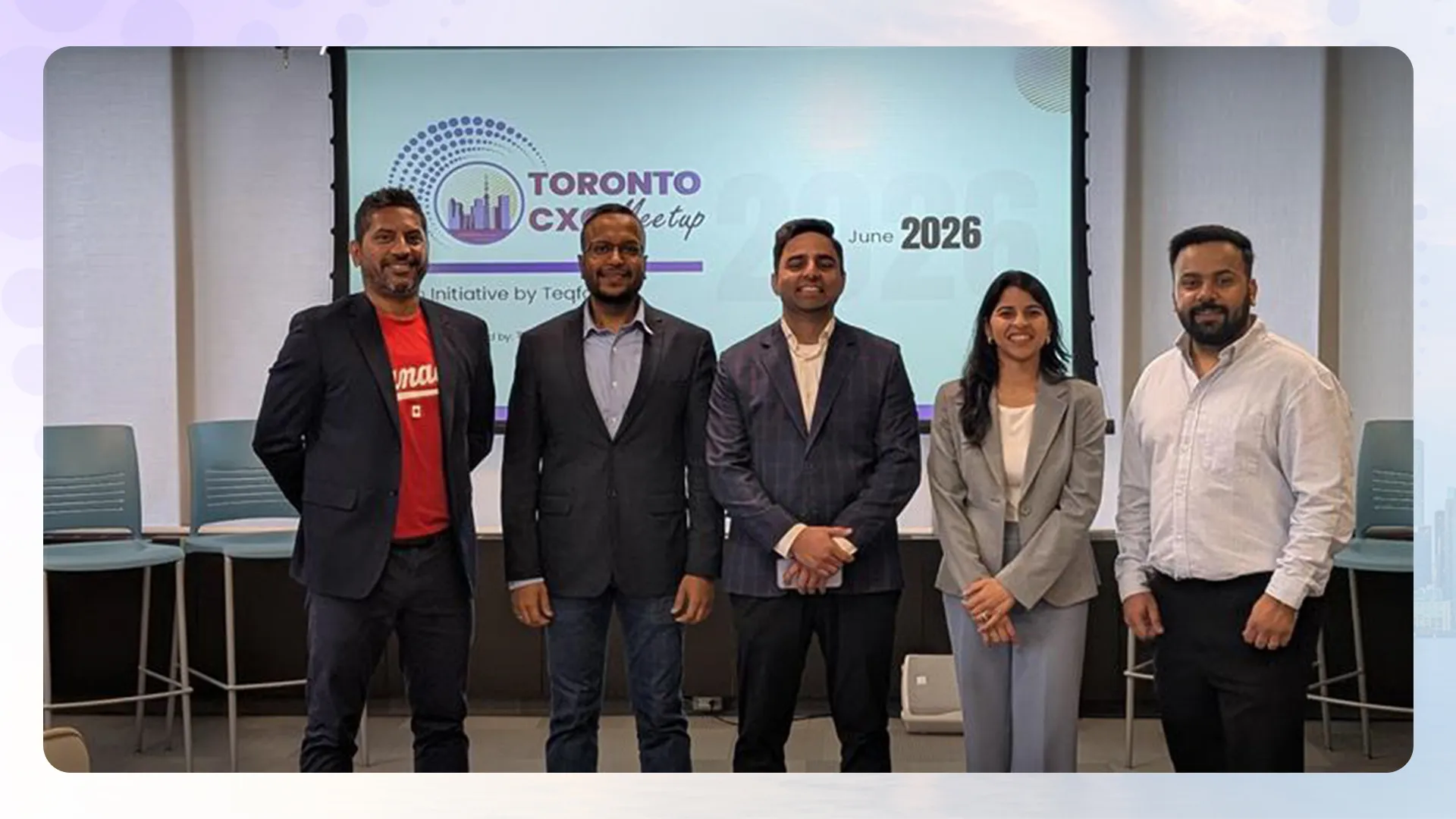
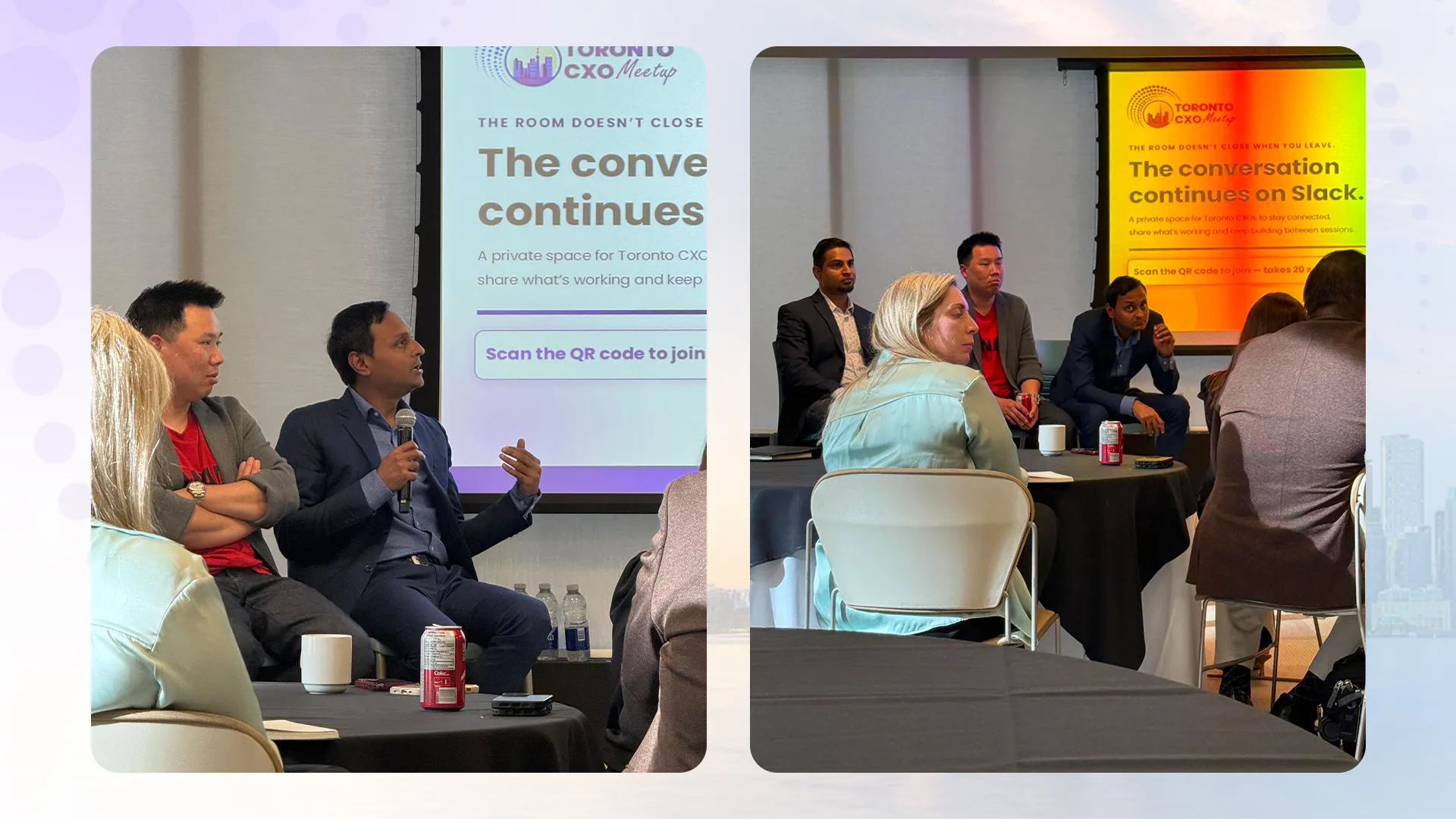
Teqfocus CXO Event · Toronto · June 2026
Two Acquisitions. One Deepened Integration.
Three Platforms, One Shared Prerequisite.
Salesforce Summer '26, Snowflake Summit, and Anthropic's enterprise agent architecture all landed the same week — and they all assume the same thing enterprises don't have yet: structured, governed, semantically consistent data that AI systems can actually use.
Fin ($3.6B · June 15) — AI-powered customer service platform (formerly Intercom). Fin's proprietary model autonomously resolves customer queries — email, chat, phone, Slack — from start to finish. Direct addition to Agentforce's autonomous agent capability across every service touchpoint.
Two moves. One thesis: Agentforce needs to own the full customer interaction layer, not just the CRM beneath it.
For CIOs carrying data sovereignty requirements, this architecture closes the approval gap that has stalled most AI deployments at the security review stage. The Anthropic enterprise roadmap positions Claude Service Partners as the implementation layer for organizations that need both the model capability and the governed data foundation beneath it.
Security and procurement teams in regulated industries are adding AI governance requirements — data lineage, auditability trails, model decision logs — to vendor evaluation criteria before contracts are signed. The SOC 2 parallel is instructive: in 2018 it was a differentiator; by 2022 it was table stakes. Governed AI readiness is approximately 18–24 months behind that same curve.
Organizations running agents in production today started data foundation work in 2023 or early 2024 — before AI was the explicit reason. Every quarter, production organizations expand agent scope, accumulate institutional knowledge about what makes agents reliable, and generate proprietary operational data the latecomer cannot replicate.
Every production AI failure reviewed in Q2 2026 — across Agentforce, Snowflake Cortex, and Claude enterprise deployments — traces to the same root: the AI lacked the institutional context it needed. Not because the platforms lacked capability. Because the data was not governed, semantically consistent, or structured for autonomous inference.
The enterprise LLM market is tracking from ~$11B in 2025 toward ~$60B by 2027. The firms building deep LLM provider relationships and Foundational Data Engineering capabilities are establishing positions that will be very difficult to replicate once the market matures. Teqfocus's Claude Service Partner status is a direct move in this direction.
Over 90% of ransomware cases that reached the ransom stage used unmanaged devices for initial access. Average attacker breakout time has dropped to 29 minutes. The question most enterprises are still asking — "Are we safe?" — is, per this episode's guests, the wrong question entirely. Ayesha and Erik walk through what enterprise visibility actually means at scale, why AI trained on incomplete telemetry fails silently, and why the Change Healthcare breach was a first-principles design failure.
Have You Run an AI Deployment
Worth Talking About?
The conversations in Episode 55 — on detection gaps in autonomous systems, manufacturing failure modes, and compliance-first scoping in pharma — are the kind TeqTalk is built around. Practitioners who have navigated real transformation and have the specifics to show for it. CIOs, CDOs, enterprise architects. No vendor pitches. No vision decks.
If you have taken agents to production, built a governed data layer that changed what was possible, or sat on the other side of the security and compliance conversation after an AI deployment — we want to have that conversation.
Apply to Be a Guest →